100 YEARS OF MODERNISM
To celebrate its hundredth anniversary, Cahiers d’Art is offering a program in 2026 that includes a series of exhibitions in major international museums, a commemorative publication in the form of a jubilee catalogue, a cycle of talks, and in-house exhibitions. These initiatives aim to honour Cahiers d’Art’s heritage and its significance in art and cultural history. These events will not only recognize the importance of Cahiers d’Art but also continue its vision: to serve as a forum for dialogue between the past, present, and future of art.
1926-2026
Founded in Paris in 1926 as a revue, publishing house and gallery, Cahiers d’Art quickly established itself as a vital platform for the most influential artists, poets, and critical thinkers of the twentieth century. No other publishing initiative played a comparable role in fostering artistic innovation within the European avant-garde.
At its founding in 1926, Cahiers d’Art was a virtually unique model of a Revue: luxurious and lavishly illustrated, it preferred to give a voice to poets and art lovers (Tristan Tzara, Paul Éluard, René Char, Francis Ponge, etc.) rather than traditional art critics.
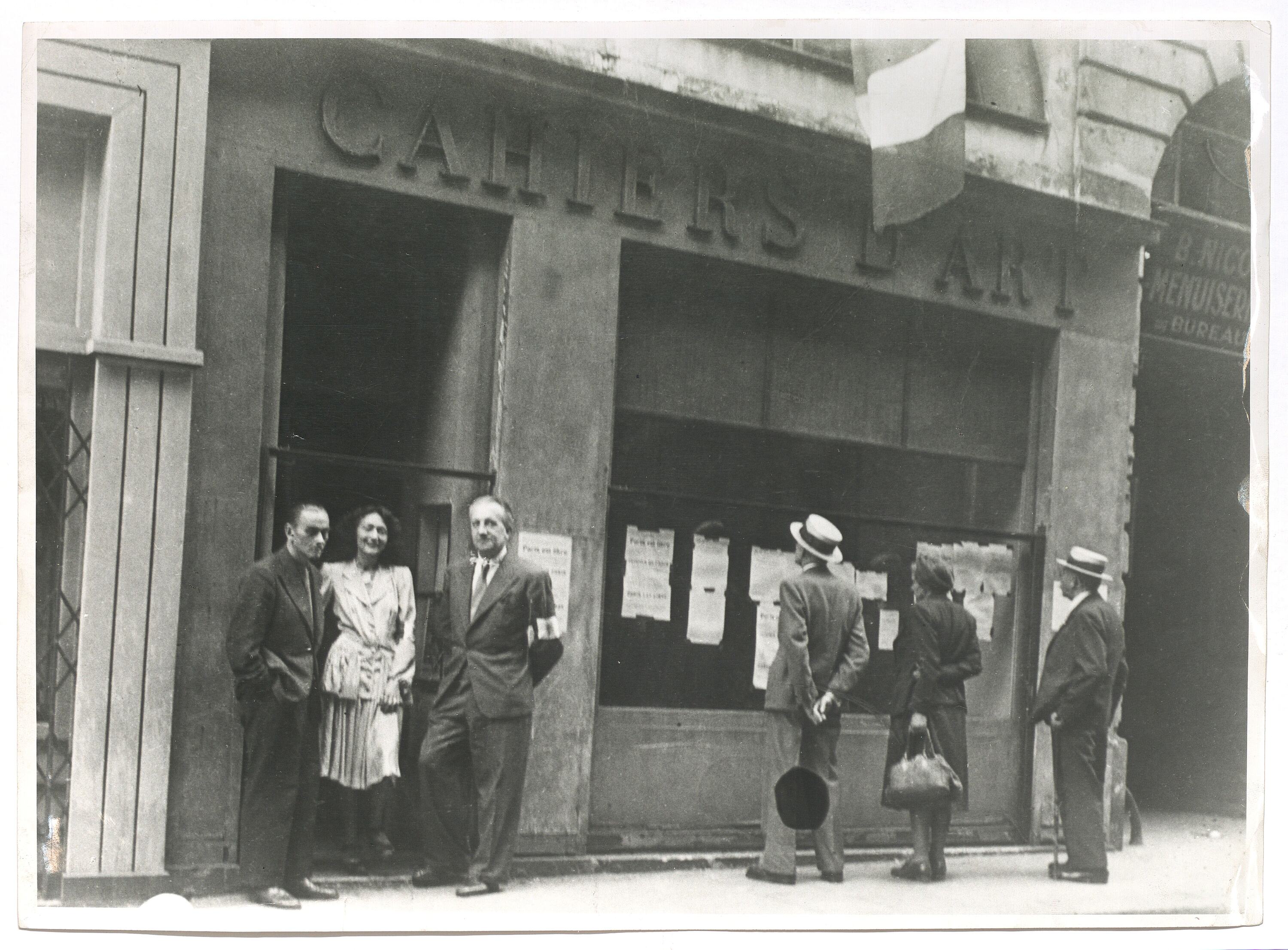
Photo: Eluard ‘s couple and Marion Robert at Gallery Cahiers d’art, 1944
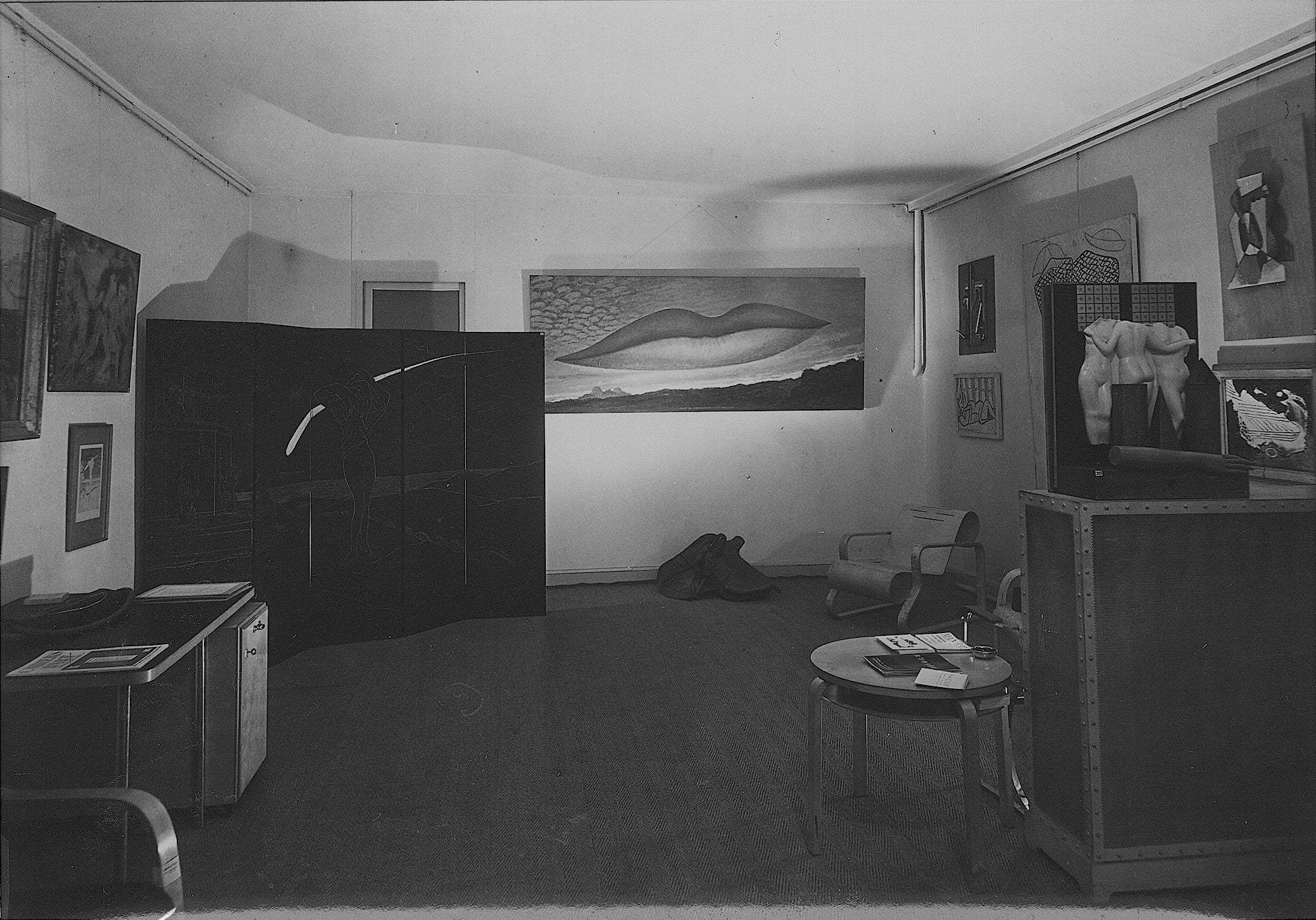
From its earliest issues, Cahiers d’Art championed the work of Henri Matisse, Pablo Picasso, and Wassily Kandinsky. Over time, it expanded to include Marcel Duchamp, Kazimir Malevich, and the Surrealist movement – including Salvador Dalí, Max Ernst, Dorothea Tanning, and Meret Oppenheim – often accompanied by essays from literary and philosophical luminaries such as Samuel Beckett, Georges Bataille, and Jacques Lacan. Experimental photographers such as Dora Maar and Man Ray contributed powerful images, reinforcing the revue’s reputation as a groundbreaking visual and intellectual forum.
Photo: Man Ray’s exhibition at Cahiers d’Art, 1935.
In 1960, Zervos published 97 issues of the Revue Cahiers d’Art and more than 50 books, including monographs on El Greco, Matisse, Man Ray, and African and Mesopotamian art.
Zervos also worked on the catalogue raisonné of Picasso’s paintings and drawings from 1932 until his death in Paris in 1970. The 33 volumes of the catalogue have since become the reference work on the Spanish artist’s oeuvre.
Since its relaunch in 2012 by Swedish collector Staffan Ahrenberg, Cahiers d’Art has revitalized its seminal revue series and gallery exhibitions, continuing to serve as a vibrant space for artistic and literary discourse. This twenty-first-century iteration bridges historical figures such as Alexander Calder and Pablo Picasso with contemporary voices, including Arthur Jafa, Gabriel Orozco, Hiroshi Sugimoto, and Rosemarie Trockel.
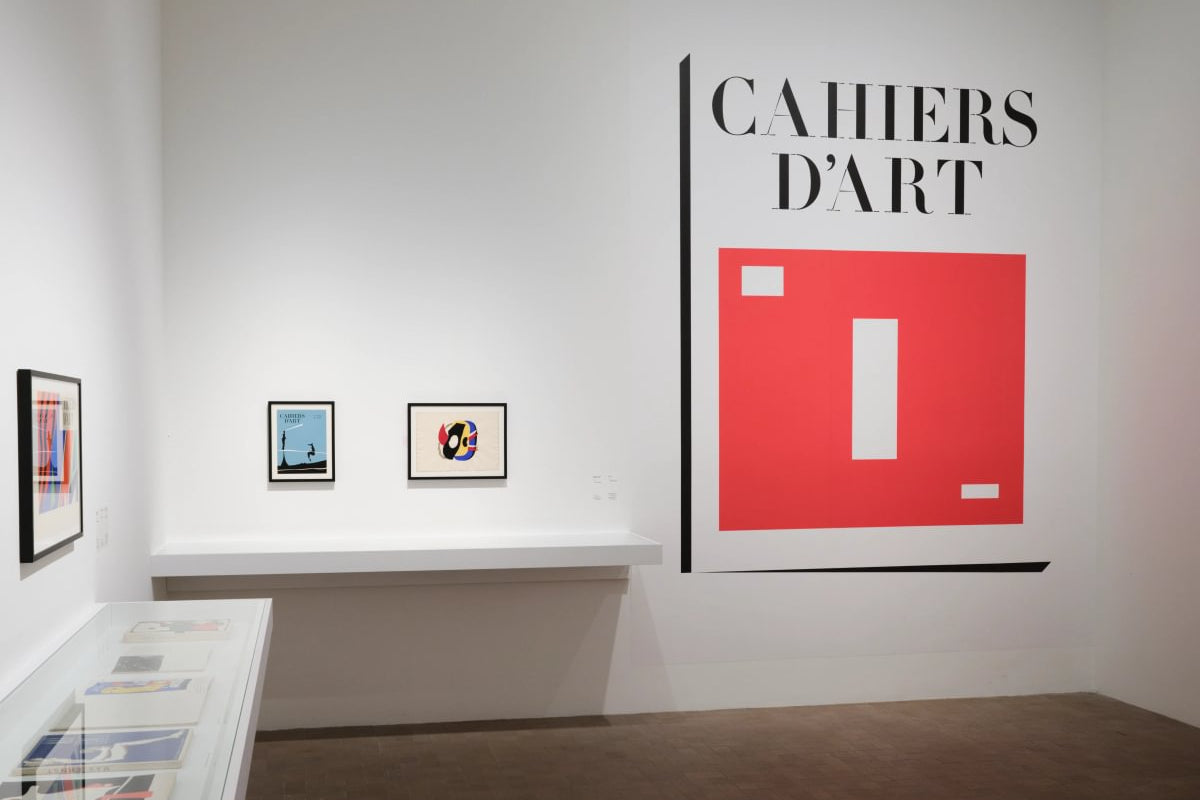
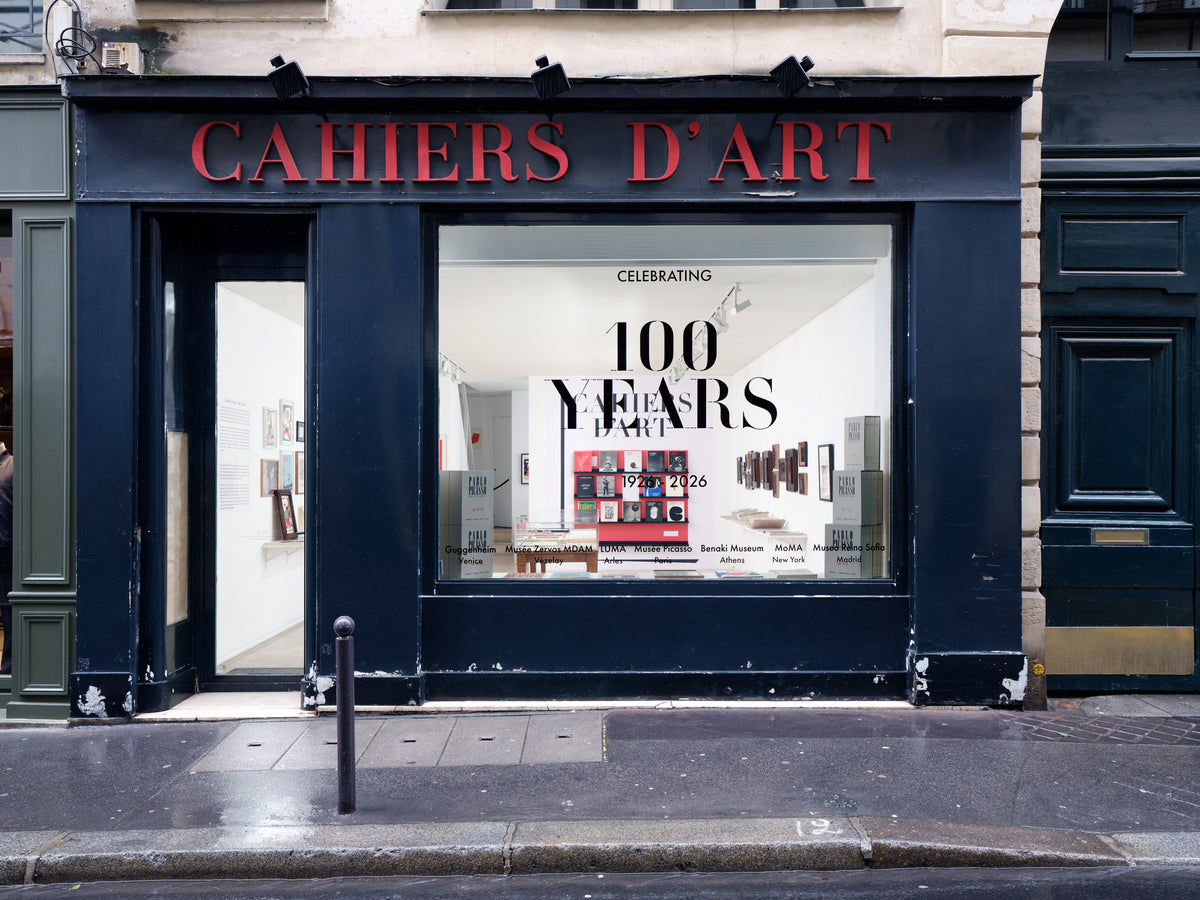
Photo: Exhibition "100 years of modernism" at Cahiers d'Art, 2026 Aurelien Mole
Exhibitions: Cahiers d’Art Centennial
To celebrate a hundred years of Cahiers d’Art, several of the world’s most prestigious institutions are hosting exhibitions featuring works from their collections that are linked to their presence in the Revue. This new perspective provides an opportunity to revisit the major role played by Cahiers d’Art in promoting modern art and building major collections. This cycle of exhibitions is organized with the curatorial participation of Daniel Birnbaum.
List (not exhaustive) of participating museums: