跳转到内容

购物车

您的购物车为空

文章: Cahiers d'Art: 100 Years of Modernism

Cahiers d'Art: 100 Years of Modernism

Cahiers d'Art: 100 Years of Modernism

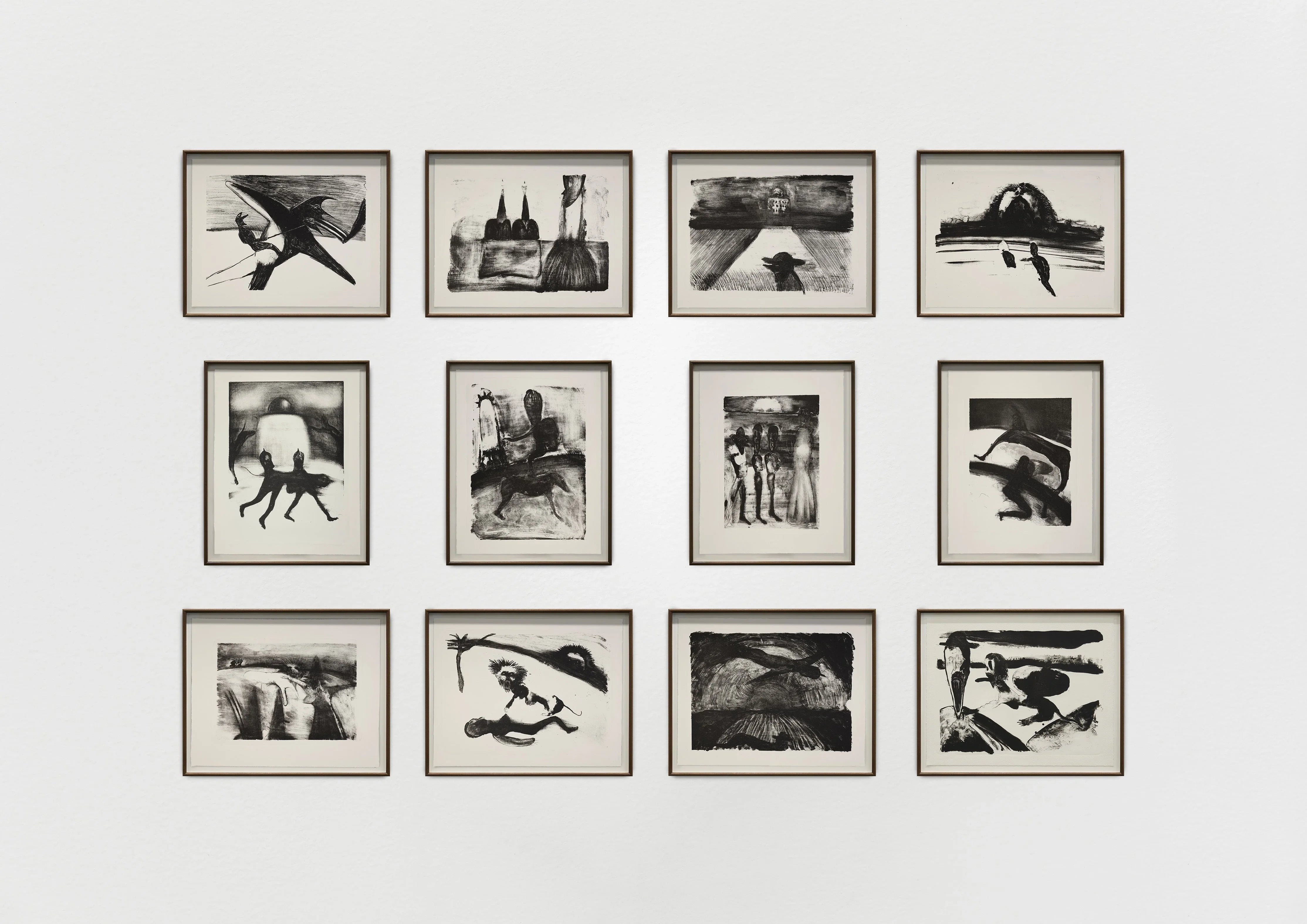
Cahiers d’Art is pleased to present Cahiers d’Art: 100 Years of Modernism at 14 rue du Dragon, from the 12 March 2026, celebrating the centenary of Cahiers d’Art.

The centenary of Cahiers d’Art marks not simply the anniversary of a revue and a publishing house, but the celebration of one of the most influential vehicles for the dissemination of European modernism in the twentieth century. It is well known that the revue promoted the leading figures of the avant-garde—from Pablo Picasso and Henri Matisse, to Marcel Duchamp and Meret Oppenheim.

Beyond its role as a central platform for artists, the revue also functioned as a critical forum that brought together some of the most important intellectual voices of the twentieth century. Among these contributors were figures such as Georges Bataille, Maurice Blanchot, and Jacques Lacan, whose writings extended the journal’s reach beyond art criticism into anthropology, psychoanalysis, philosophy, and political theory. Their presence underscored Cahiers d’Art’s commitment to probing the deeper structures of modern experience.


Why Write about Art?


That something should be written about art we tend to take as self-evident. As the philosopher Boris Groys has stressed, works of art that have not been provided with a text – in a pamphlet, catalogue or journal – somehow seem unprotected and exposed: “Images without text are embarrassing, like a naked person in a public space. At the very least they need a textual bikini in the form of an inscription with the name of the artist and the title.”


Some theorists have given art writing an even more central role. A case in point is Walter Benjamin’s definition of the artwork as something that invites criticism. Art needs criticism, he says, because criticism completes the work.

It is well known that Cahiers d’Art promoted the leading figures of the avant-garde – from Pablo Picasso, Henri Matisse, and Marcel Duchamp to Meret Oppenheim and Dora Maar. Beyond its role as the central platform for these key artists, Cahiers d’Art also functioned as a critical forum that brought together some of the most important intellectual voices of the twentieth century.

Among these contributors were figures such as Georges Bataille, Maurice Blanchot, and Jacques Lacan, whose writings extended the journal’s reach beyond art criticism into anthropology, psychoanalysis, philosophy, and political theory. Their presence underscored Cahiers d’Art’s commitment to probing the deeper structures of modern experience – desire, language, violence, and the limits of representation

At the centre of this archival presentation, we have placed three legendary theoretical contributions to Cahiers d’Art: Maurice Blanchot’s Le regard d’Orphée (1953), Georges Bataille’s Le sacré (1939), and Jacques Lacan’s Le temps logique et l’assertion de certitude anticipée (1940).

Daniel Birnbaum


Photos: Aurélien Mole.

阅读更多

Pol Taburet: The Hat And The Hunt

波尔·塔布雷:帽子与狩猎

《艺术笔记》荣幸地宣布,将于 2025年10 月 18日至 12 月 20 日在巴黎龙街 14 号和 15 号的两家画廊举办波尔·塔布雷的《帽子与狩猎》展览。 埃尔·格列柯笔下被剥皮的人物,苏巴兰画中“静静滑过死者石板路”的僧侣,戈雅的噩梦——它们在普拉多博物馆的走廊里一一出现。戈雅,尤其是年老的戈雅,他的眼睛永远充满恐惧,因为他目睹了太多的恐怖;戈雅,“一位精通英国顶级绘画中灰色、银...

阅读更多